
In today’s world, the kitchen is not just a place to prepare meals; it’s where innovation meets sustainability. With environmental concerns rising, reducing waste in the kitchen has become a priority for many. Enter Chef Bill Blackburn, a culinary expert renowned for his commitment to sustainable cooking. In this guide, we delve into Chef Blackburn’s tips and tricks for minimizing waste while maximizing flavor and efficiency in the kitchen.
Understanding the Importance of Sustainable Cooking
Before diving into practical tips, it’s essential to understand why sustainable cooking matters. The global food system is a significant contributor to environmental degradation, with food waste being a critical issue. According to the United Nations, approximately one-third of all food produced for human consumption is lost or wasted. This not only squanders resources but also contributes to greenhouse gas emissions.
Chef Bill Blackburn believes that every individual can make a difference by adopting sustainable practices in their daily cooking routines. By reducing kitchen waste, we not only help the planet but also save money and create more mindful eating habits.
Chef Bill Blackburn’s Top Tips for Reducing Kitchen Waste
1. Plan Your Meals
One of the simplest yet most effective ways to reduce food waste is through meal planning. Chef Blackburn suggests taking a few minutes each week to outline meals and create a shopping list based on these plans. By doing so, you can avoid buying unnecessary items that may end up spoiling.
Additionally, planning meals around seasonal produce can further enhance sustainability. Seasonal foods are not only fresher and more flavorful but also have a lower environmental footprint due to reduced transportation and storage needs.
2. Embrace the Art of Preservation
Preservation techniques such as pickling, fermenting, and freezing can extend the life of your ingredients and prevent them from going to waste. Chef Blackburn recommends experimenting with these methods to not only reduce waste but also add exciting flavors to your dishes.
For example, excess vegetables can be pickled for a tangy snack, while fruits can be frozen for smoothies or baked goods. These techniques allow you to enjoy your favorite ingredients even when they are out of season.
3. Get Creative with Leftovers
Leftovers are often seen as a culinary afterthought, but Chef Blackburn views them as an opportunity to unleash creativity. Transforming leftovers into new dishes not only prevents waste but also offers a chance to experiment with flavors and textures.
Try turning leftover vegetables into a hearty soup, or use cooked grains as the base for a nourishing salad. The possibilities are endless, and the results are often surprising and delicious.
4. Compost What You Can’t Use
Even with the best intentions, some waste is inevitable. However, organic waste doesn’t have to end up in the landfill. Composting is an excellent way to recycle kitchen scraps into nutrient-rich soil, perfect for gardening.
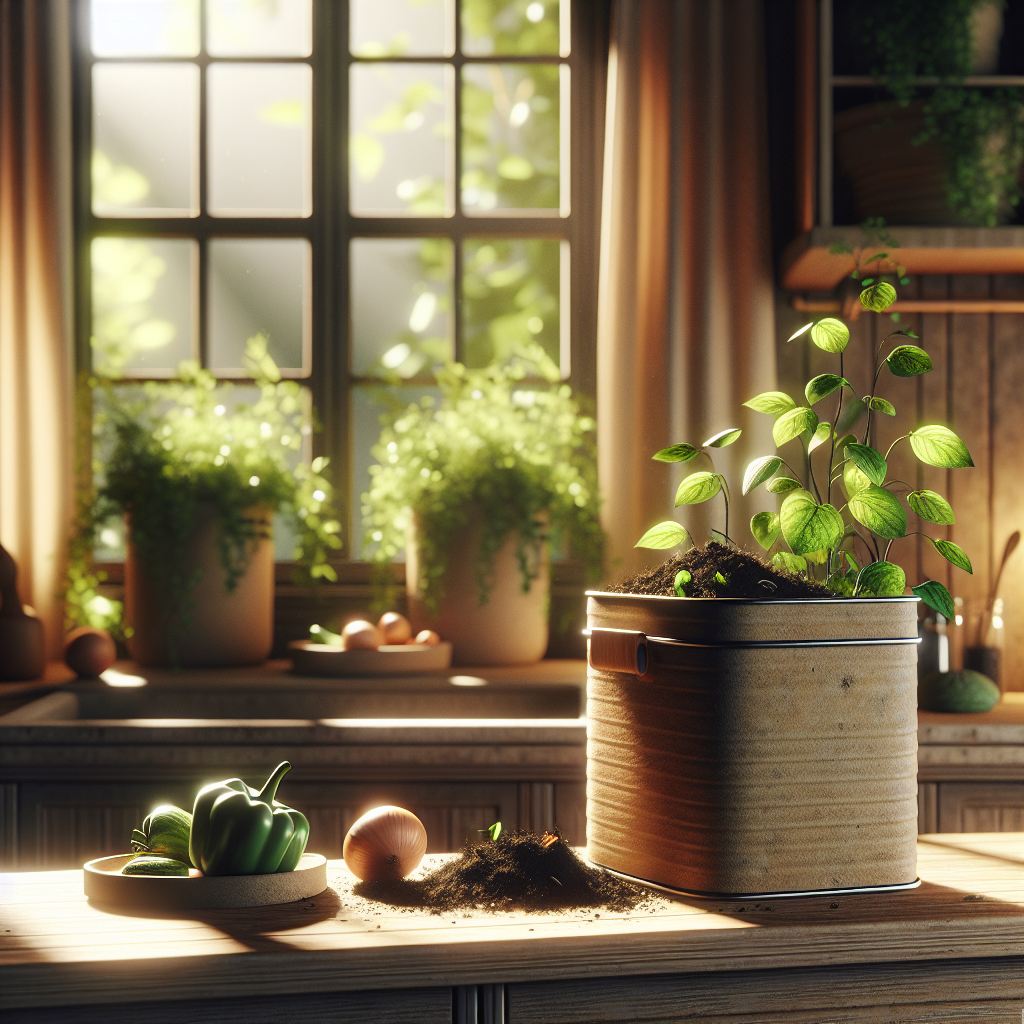
Chef Blackburn encourages home cooks to start a small compost bin, which can be kept on a kitchen counter or in a backyard. Not only does composting reduce waste, but it also supports a cycle of growth, as compost can be used to nourish the plants that will eventually become part of future meals.
Mindful Cooking: A Holistic Approach
Beyond the practical tips, Chef Blackburn emphasizes the importance of a holistic approach to cooking. Mindful cooking involves being present and intentional with every step of the culinary process – from selecting ingredients to savoring the final dish.
This approach not only reduces waste but also enhances the overall cooking experience. By slowing down and appreciating the journey from raw ingredients to a finished meal, we develop a deeper connection with our food and the environment.
A Sustainable Future Starts in the Kitchen
Reducing waste in the kitchen is a powerful way to contribute to a more sustainable future. Chef Bill Blackburn’s guide provides practical and inspirational strategies to embrace sustainable cooking without sacrificing flavor or enjoyment.
By planning meals, preserving ingredients, getting creative with leftovers, and composting, we can all take steps toward a more eco-friendly kitchen. Each choice we make in the kitchen has the potential to impact the planet positively. Let’s cook with intention and continue to move towards a more sustainable, delicious future.
If you’re planning a large gathering and need help planning for it, feel free to reach out to me to discuss your event. We’ll help you keep the waste down and everyone happy. The same low-waste sourcing drives our farm to table catering across Corona.